Featured
Table of Contents
The Financial Weight of Milliseconds in 2026
Speed functions as the invisible foundation of digital success. As 2026 progresses, the space in between high-performing platforms and slow-loading tradition sites has actually expanded into a significant financial chasm. Data-driven style suggests that efficiency is no longer a technical choice-- it is a primary motorist of conversion rates and client retention. When a page takes longer than two seconds to load, the probability of a bounce increases by over 100%. For organizations operating in competitive environments, these lost seconds equate straight into lost income.
Steve Morris, CEO of NEWMEDIA, has actually regularly argued in industry publications that technical performance is the very first layer of any effective marketing technique. Without a fast foundation, even the most expensive PPC or social networks projects stop working to yield a positive return on financial investment. The logic is easy: if a user clicks an advertisement but the website fails to load immediately, the expense per click is squandered. Marketing spending plans are significantly tied to efficiency metrics, ensuring that every dollar invested in traffic is supported by a website capable of converting that traffic. Organizations that prioritize Rapid Project Delivery are seeing better effectiveness in their ad invest and greater organic engagement.
Browse Exposure and the AI Impact on ROI
The rise of AI search optimization, often described as AEO or GEO, has actually changed the stakes for site speed. In 2026, AI agents and generative engines crawl the web in a different way than standard search bots. These systems prioritize efficiency and data clearness. A website that responds rapidly permits these representatives to parse details quicker, resulting in better exposure in AI-generated answers. NEWMEDIA uses its RankOS platform to monitor how efficiency impacts these AI search rankings, offering a clear link between technical speed and brand existence.
Performance information from timeline archives reveals that search engines now punish slow websites more strongly than in previous years. This is not just about user aggravation-- it is about the energy cost of crawling the web. Faster websites are cheaper for search engines to index, which leads to more regular updates and better ranking stability. For an organization in the digital sector, keeping a high-performance profile is a prerequisite for remaining visible in a congested market. The focus has moved from simple keyword density to the general effectiveness of the delivery mechanism.
Measuring the Impact of performance optimization
Measuring the ROI of speed requires looking beyond easy load times. It involves examining the whole user course from the initial entry to the last conversion. In numerous cases, a 10% improvement in page speed results in a measurable uptick in typical order value and session period. Users who experience a quickly, responsive interface are more likely to check out multiple pages, increasing the opportunities of a successful outcome for any digital interaction.
- Decreased bounce rates cause lower client acquisition costs.
- Faster checkouts in ecommerce environments reduce cart desertion.
- Improved server reaction times lower the overhead of preserving high-traffic platforms.
- Higher quality ratings in PPC platforms lead to reduce expenses per click.
By dealing with performance as a core part of other, organizations can see a compound effect on their bottom line. The initial financial investment in optimization spends for itself through decreased waste in other marketing channels. Steve Morris has actually kept in mind that business typically try to find intricate solutions to low conversion rates when the response is often as simple as enhancing the time to very first byte. Data-driven design depends on these difficult numbers to justify shifts in advancement top priorities.
Technical Performance in modern web systems
Modern web architecture in 2026 prefers modularity and light-weight code. Moving away from heavy, puffed up structures has actually become a standard practice for agencies focused on high-growth customers. When looking at timeline archive page, it ends up being clear that many companies are still weighed down by unnecessary third-party scripts and unoptimized media. Cleaning these aspects out is frequently the fastest way to see an immediate jump in ROI.
The combination of AI search presence services into standard web maintenance implies that speed is kept track of in real-time. Platforms like RankOS provide a constant stream of data, allowing for fast modifications before a performance dip affects sales. This proactive technique ensures that the digital existence remains an asset instead of a liability. Professional Rapid Project Delivery has become essential for brand names that want to maintain a competitive edge without spending beyond your means on conventional advertising.
User Psychology and Performance Expectations
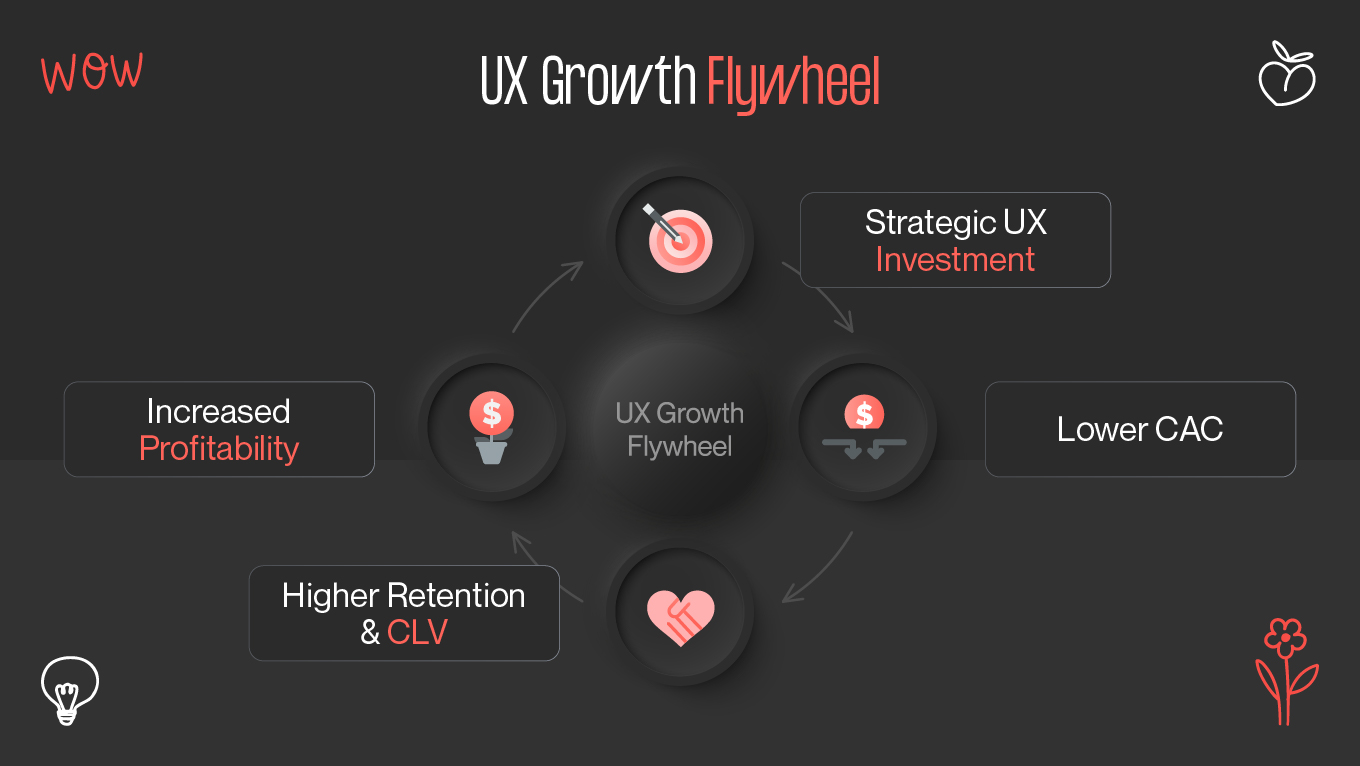
Consumer expectations have reached a point where any delay is perceived as a lack of professionalism. In the current year, users associate speed with security and reliability. A website that stutters or loads gradually produces a sense of suspect, especially in sectors including financial deals or delicate information. Performance-focused marketing addresses this by making sure that the brand's impression is one of efficiency and precision.
Style groups now utilize efficiency spending plans to limit the weight of a page before a single line of code is written. This ensures that the end product is not simply aesthetically appealing however also functionally exceptional. By focusing on the user's time as a limited resource, businesses can construct a more loyal customer base. The return on this effort is seen in higher life time worth and more regular return check outs, which are the trademarks of a sustainable digital organization model. Speed is the quiet partner in every effective deal, offering the structure for whatever from SEO to social media engagement.

Table of Contents
Latest Posts
Unlocking Scalability With Headless Frameworks for Hotel Website Development That Books Guests
The Service Case for Professional Web Design in 2026
Mastering Omni-Channel Release With Travel Website Development That Sells Trips
More
Latest Posts
Unlocking Scalability With Headless Frameworks for Hotel Website Development That Books Guests
The Service Case for Professional Web Design in 2026
Mastering Omni-Channel Release With Travel Website Development That Sells Trips